
AI adoption lessons rarely start with the technology. They start with a real problem, a fixed process and people who trust the change.
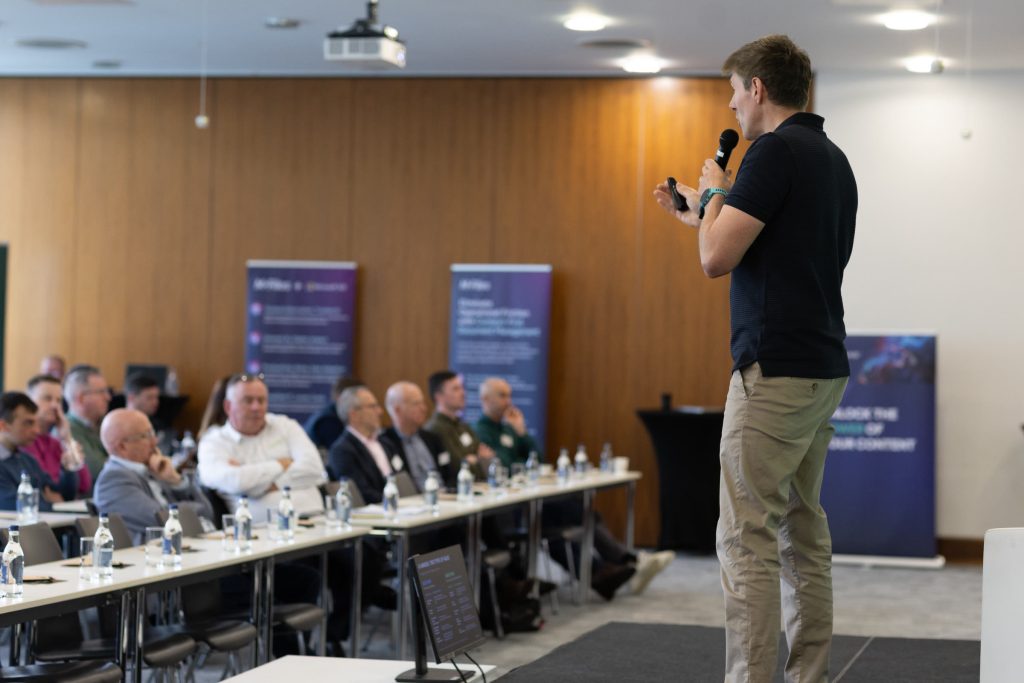
On 21 October I gave my keynote, The AI Growth Mindset, at the Inpute conference: AI, Automation & What Actually Works. The room was full of leaders who are past the hype. They wanted to know what works in real businesses.
I have reviewed 1,300+ real AI projects through the AI Awards. The same lessons keep coming up. Here are the frameworks I shared, and the 15 lessons behind them.
Three waves of AI: from asking to delegating
Since 2022, AI has moved in three waves.
- Ask (2022–23): chatbots. You type a prompt and get an answer.
- Work (2024–25): reasoning assistants. AI can analyse, compare and pull ideas together.
- Delegate (now): AI agents. They plan, use tools, act and report back.
The shift is simple. We are moving from asking AI questions to delegating AI outcomes. That changes how you plan, train and lead.
Blue Euro and Green Euro
There are two types of AI value.
- Blue Euro is productivity and efficiency. Doing the same work faster and cheaper.
- Green Euro is new revenue and opportunity. New services, new markets, new ways to win.
Most companies start with savings. That is fine. But the strategic prize is growth.
15 AI adoption lessons from 1,300+ real projects
Strategy
- Start with the problem, not the tool. If it doesn’t fix something real or make money, it’s a science project.
- Hold your plan loosely and your goals tightly. The tech changes every few months. Your plan has to keep up.
- Measure results, not activity. Buying licences and training staff is the start line, not the finish.
- Go beyond quick wins. Faster emails are nice. Rethinking a whole process changes the game. This is where Green Euro lives.
- The biggest risk is standing still. Your competitors are learning right now.
People and culture
- Bring in the people who do the work. Leave them out and they’ll find workarounds.
- Culture beats code. The tech is about 20% of the job. People and trust are the other 80%.
- Let AI take the busywork. Free your people for the hard thinking.
- Guardrails help people move faster. Clear rules give people the confidence to try things.
- Fund the change, not just the tool. Cut training to save money, and the project stalls.
Delivery
- Fix the process first. AI on a broken process just helps you do the wrong thing faster.
- Your first AI project should teach you, not wow you. Keep it small, low risk and full of lessons.
- Don’t wait for perfect data. Clean what you need for the work that matters. Improve as you go.
- Give it one owner after launch. If everyone owns it, no one does.
- Watch out for the pilot trap. What works in a test often breaks in the real world.
AI readiness: people and data
All 15 lessons point to one idea. AI readiness is human readiness multiplied by data readiness.
- Human readiness: people who are curious, skilled and able to orchestrate AI in their work.
- Data readiness: data that is accessible, useful and governed.
If either side is zero, the result is zero. That is why the tools alone never deliver.
What to watch out for
More output is not the same as better work. AI-generated “workslop” can kill productivity. The goal is better work, not more of it.
Using AI well isn’t using it more. It’s knowing when not to.
The counter-argument, before you make it
“We should wait until the technology settles down.”
I understand the instinct. But AI went from chatbots to agents in about three years. It is not going to settle. The firms that learn now will set the pace. The ones that wait will pay to catch up.
What to do on Monday
Step 1: Pick one real problem
Choose something that costs you time or money every week. Not a tool you want to try.
Step 2: Fix the process with the people who do it
Map the steps with your team. Remove the waste first. Then ask where AI helps.
Step 3: Run a small test with one owner
Keep it low risk. Agree what result you will measure before you start. Learn, then scale.
FAQs
What is the biggest mistake companies make with AI?
Starting with the tool instead of the problem. If you cannot name the business problem, you are not ready to buy the tool.
Do we need perfect data before we start?
No. Clean the data you need for the work that matters most. Improve it as you go.
What does AI readiness mean?
It means your people and your data are both ready. People who are curious, skilled and able to orchestrate AI. Data that is accessible, useful and governed.
The bottom line
These AI adoption lessons come from real projects, not theory. The tools are ready. The question is whether your people and processes are.
Thank you to Morgan McElligott and the team at Inpute for having me, and to everyone who came and asked such good questions.
Want to see these lessons in action? Come to the AI Awards 2026 on Tuesday 17 November at the Radisson Blu Royal Hotel, Dublin 8. You’ll meet the teams behind Ireland’s best real AI projects.
Want this talk for your team? Book Mark for your next keynote or see my AI leadership workshops.
Mark Kelly is an AI keynote speaker, strategist and board advisor based in Ireland. He founded AI Ireland, hosts the AI Ireland Podcast, wrote the AI Unleashed series and created the AI Awards. He has delivered 300+ keynotes and trained more than 10,000 professionals.
Share This Story, Choose Your Platform!
Planning an event or leadership offsite?
Mark Kelly delivers evidence-based AI keynotes and hands-on AI leadership workshops for boards, executive teams and conferences across Ireland and Europe.