AI Awards 2026 Ireland: What 235 Applications Reveal About AI Adoption
By Mark Kelly
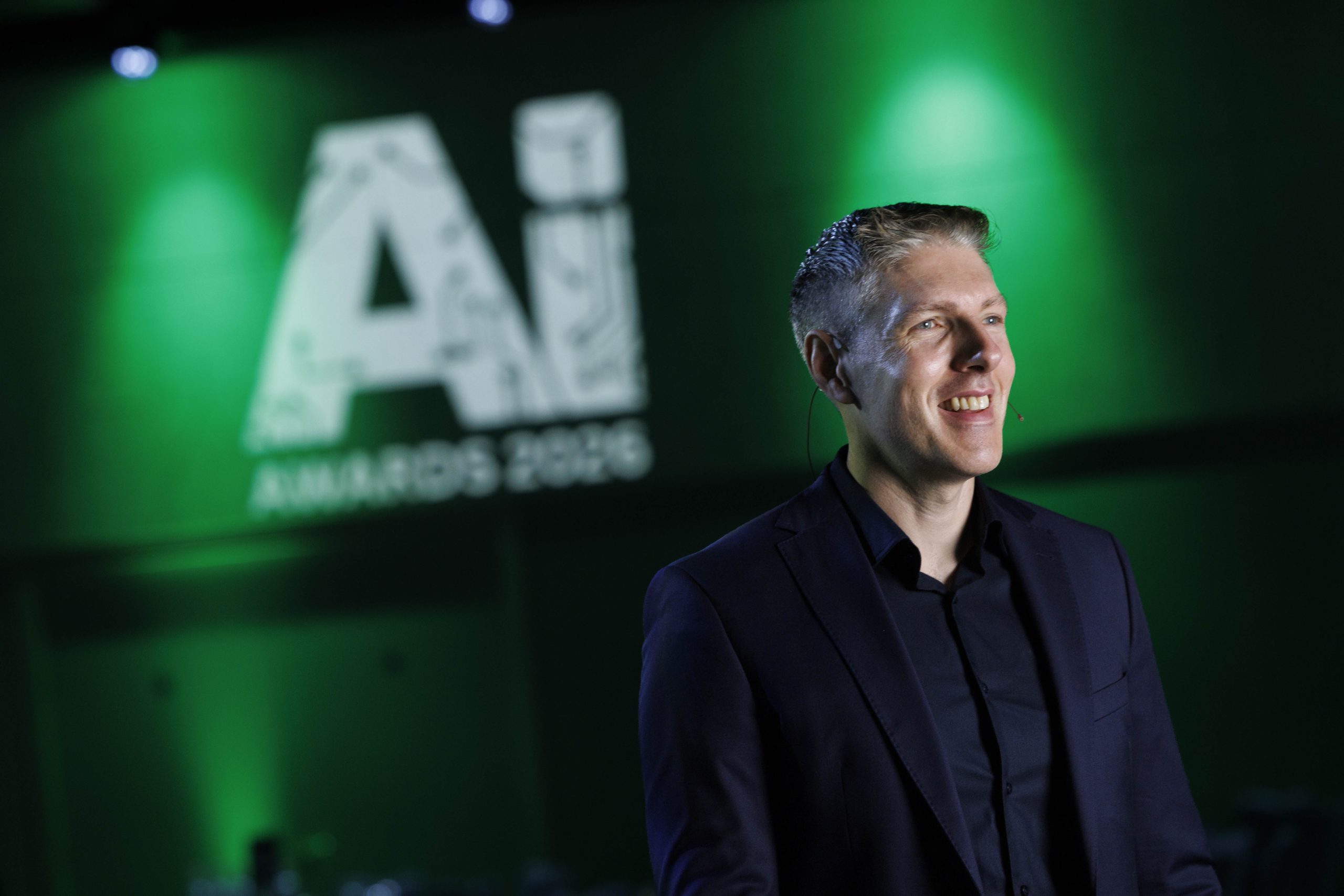
On 17 November, I hosted the 2026 AI Awards in Dublin. We received 235 unique applications, up from 168 in 2025. Some applicants entered more than one category, bringing the total to 275 entries across 15 award categories.
When I speak with business leaders, I often hear the same question. Where should we start with AI? Three of this year’s winners offer practical answers. One helps farmers get more from records they already keep. Another helps engineers spot problems sooner. The overall winner shows why responsible use matters when the work involves sensitive data.
More teams are exploring what AI can do inside a workflow
Among applications where we could identify the technology used, 30% described AI agents in 2026, compared with 15% in 2025. These applications described systems that can monitor what’s happening, route work or take a step in a process.
If you’re considering using AI this way, pick one step in a process your team knows well. Decide what the system can do on its own, when it should ask for help and who can step in.
1. Herdwatch makes information farmers already have easier to use
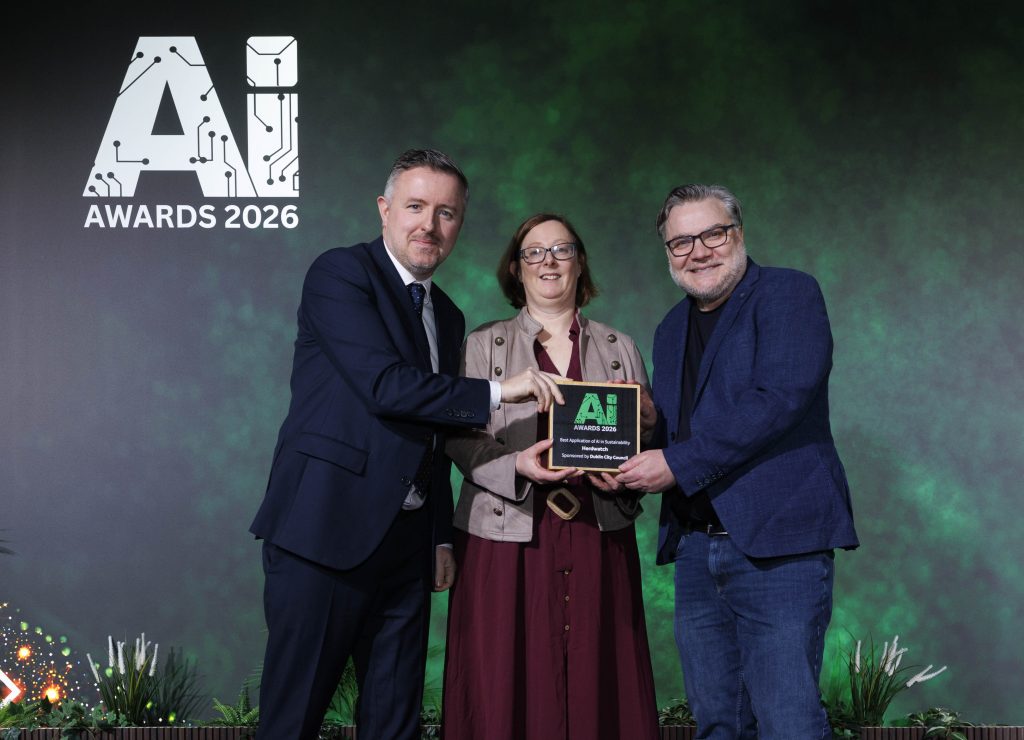
Photo: Conor McCabe
Herdwatch won both the Sustainability and SME awards. Its Herd Intelligence tool lets farmers ask questions about their livestock and farm records in everyday language.
That’s a good starting point for any organisation. Think of a question your team answers every week. How many spreadsheets, reports or systems do people have to check to answer it? Try AI on that one question and see whether your team can get to a reliable answer faster.
2. yieldHUB helps engineers spot problems sooner
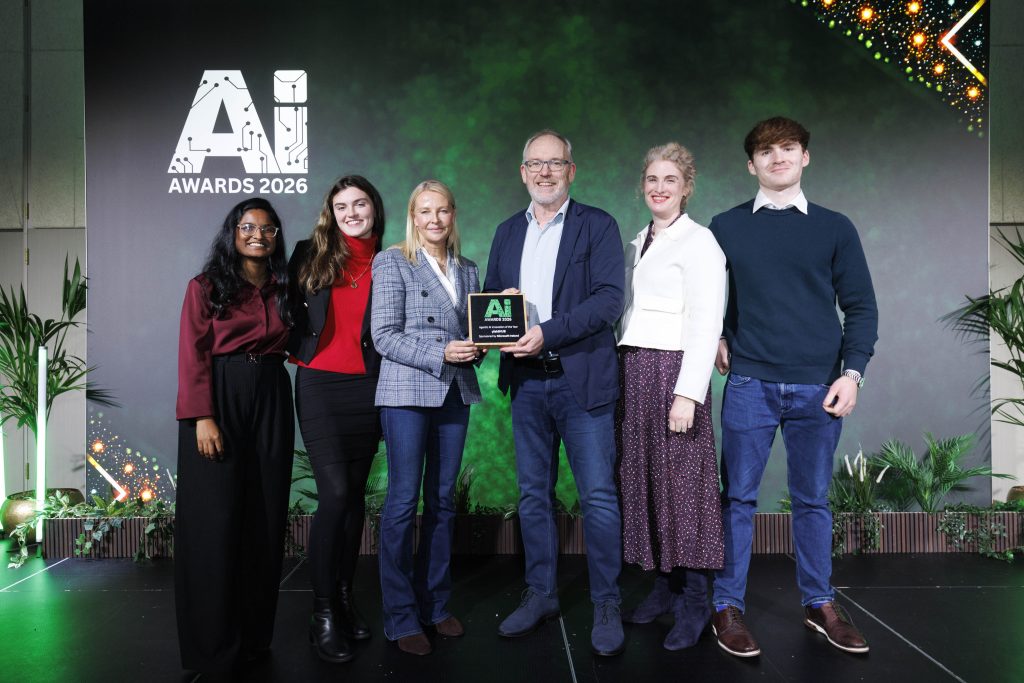
Photo: Conor McCabe
Limerick-based yieldHUB won the inaugural Agentic AI Innovation of the Year award. Its system monitors semiconductor testing data as it comes in and flags unusual patterns so engineers can investigate sooner.
Ask your operations team which problem they usually find out about too late. Then ask what they could do differently with an earlier warning. Their answer will help you work out whether an AI alert would make a difference.
3. Precision ALS shows why responsible use belongs in the design
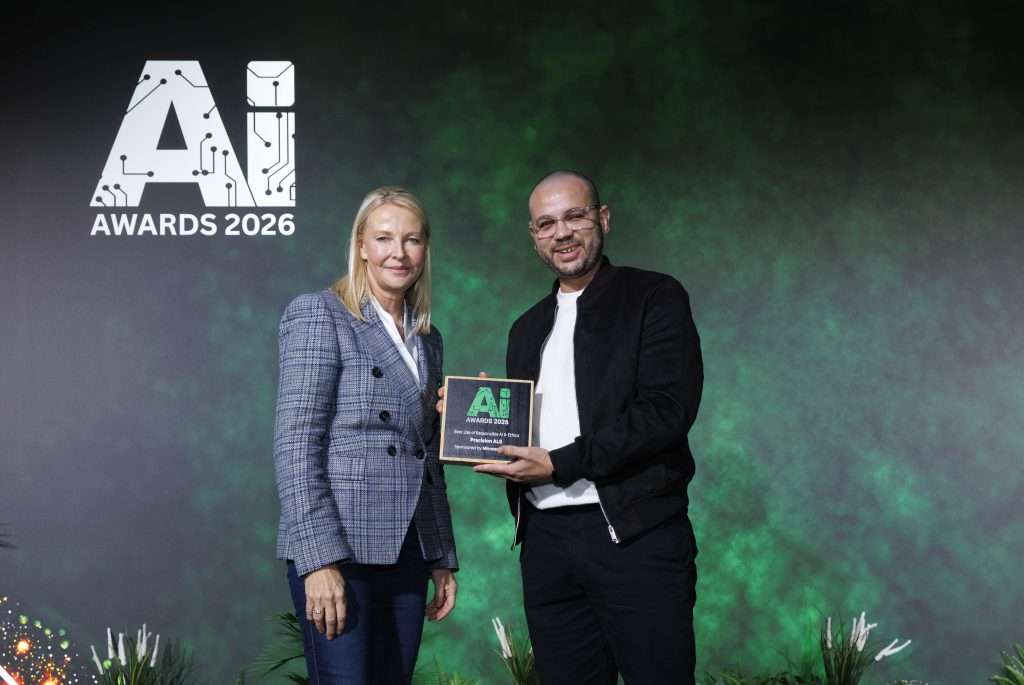
Photo: Conor McCabe
Precision ALS at the ADAPT Research Centre won the overall award and the award for Responsible AI and Ethics. Its work uses AI to support research into amyotrophic lateral sclerosis, a form of motor neurone disease.
For any organisation using AI to inform an important decision, two questions are worth answering up front. Who checks the output? What evidence do they need before acting on it? Agree on both before you test the system so the people responsible know what to look for.
Where I’d start with your team
At your next leadership meeting, ask everyone to bring one example of a question that takes too long to answer, a problem they find out about too late or a decision where the evidence is hard to check. Pick one. Agree what a better result would look like and how you’ll measure it. That gives you a practical AI project to test.
Congratulations to every winner and finalist, and thank you to everyone who entered, judged or helped bring the day together. A special thank-you to Microsoft, our Principal Sponsor, for backing the AI Awards since 2018, and to Accenture, our Gold Sponsor. Thank you also to all the sponsors and partners who supported this year’s awards.
Share This Story, Choose Your Platform!
Planning an event or leadership offsite?
Mark Kelly delivers evidence-based AI keynotes and hands-on AI leadership workshops for boards, executive teams and conferences across Ireland and Europe.