By Mark Kelly, founder of AI Ireland and the AI Awards
This year’s AI Awards drew 275 category entries from 235 unique applications. Looking back at the winners, I kept coming back to a question I hear from leadership teams all the time. Of all the things we could do with AI, which project should we back first?
Start with a problem your team can explain in one sentence. Name who benefits, find the step in the work where AI could help, and agree what you’d measure before you start.
Three of this year’s winners show how to make those choices.
1. Precision ALS shows why the outcome comes first
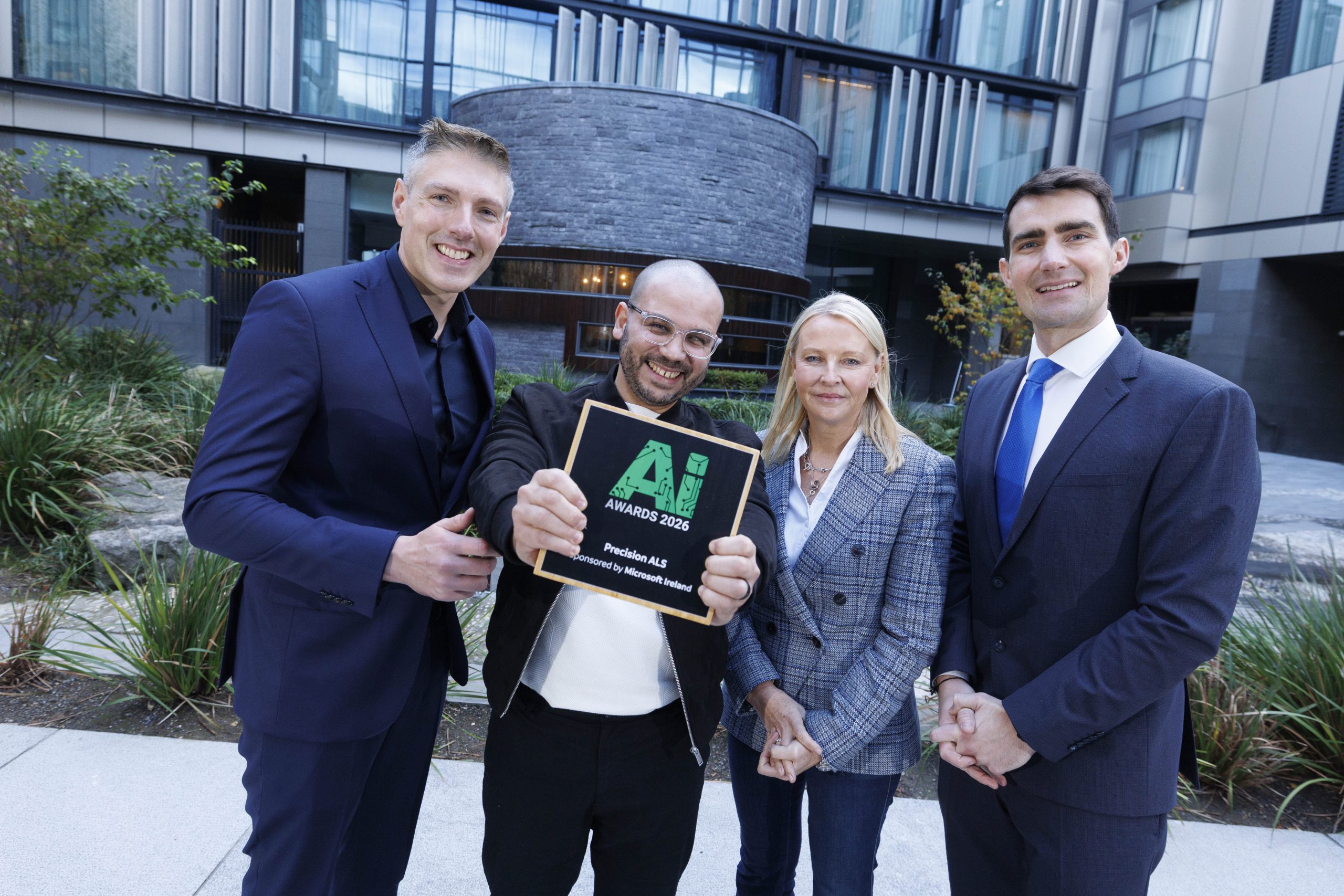
Motor neurone disease can progress differently from one person to the next. Precision ALS uses AI to help researchers find patterns in those differences, with the aim of informing more personalised approaches to treatment. The team protects sensitive patient data through measures including restricted access and independent checks.
Precision ALS won the Overall Excellence Award and Best Use of Responsible AI and Ethics. What stands out to me is how clearly you can explain who the work is for, what the team is trying to learn and what it needs to protect along the way. That’s a good test for any AI project, especially one that uses sensitive information. Read the Precision ALS winner story.
Ask your team: Who should benefit from this project, and what do we need to protect?
2. Herdwatch shows where to look for a first project
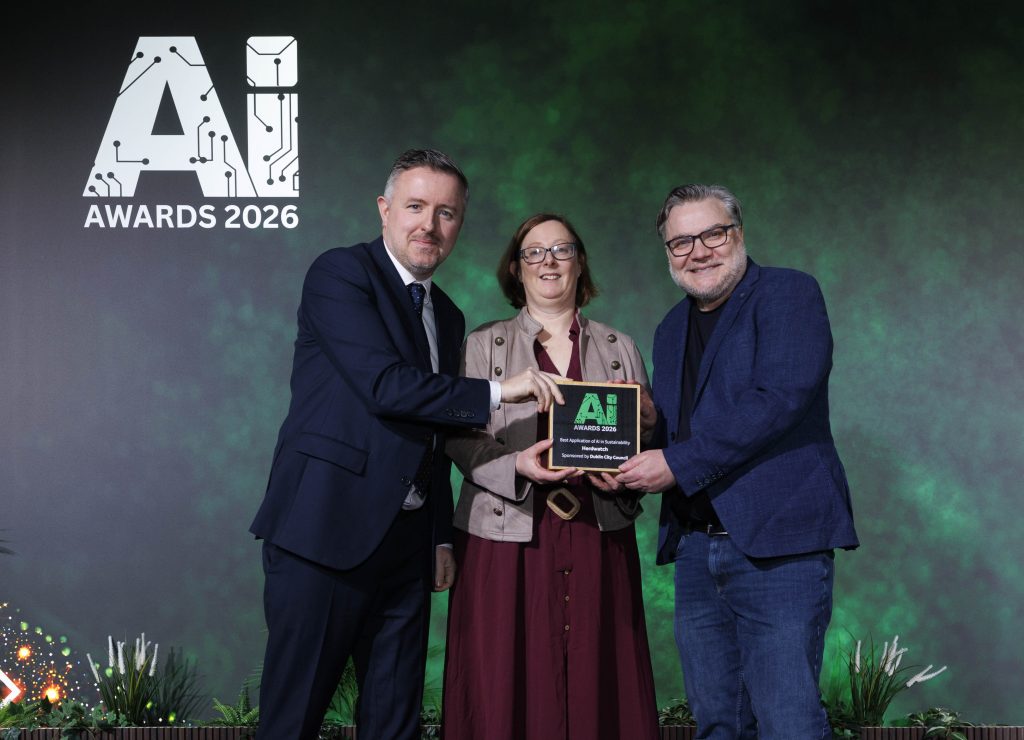
Herdwatch won the SME and Sustainability awards for Herd Intelligence.
Farmers already keep records about their livestock. Herdwatch’s Herd Intelligence lets them ask questions about those records in everyday language. It gives them a simpler way to use information they already collect.
Herdwatch won Best Application of AI in an SME and Best Application of AI in Sustainability. The idea travels well. Ask your team which questions they answer every week and how many systems, documents or people they need to consult before they can give a reliable answer. That’s often where you’ll find a project small enough to try and useful enough to measure. See the 2026 AI Awards winners.
Ask your team: What do people regularly spend time looking up, checking or piecing together?
3. Unum shows why you should measure the whole process
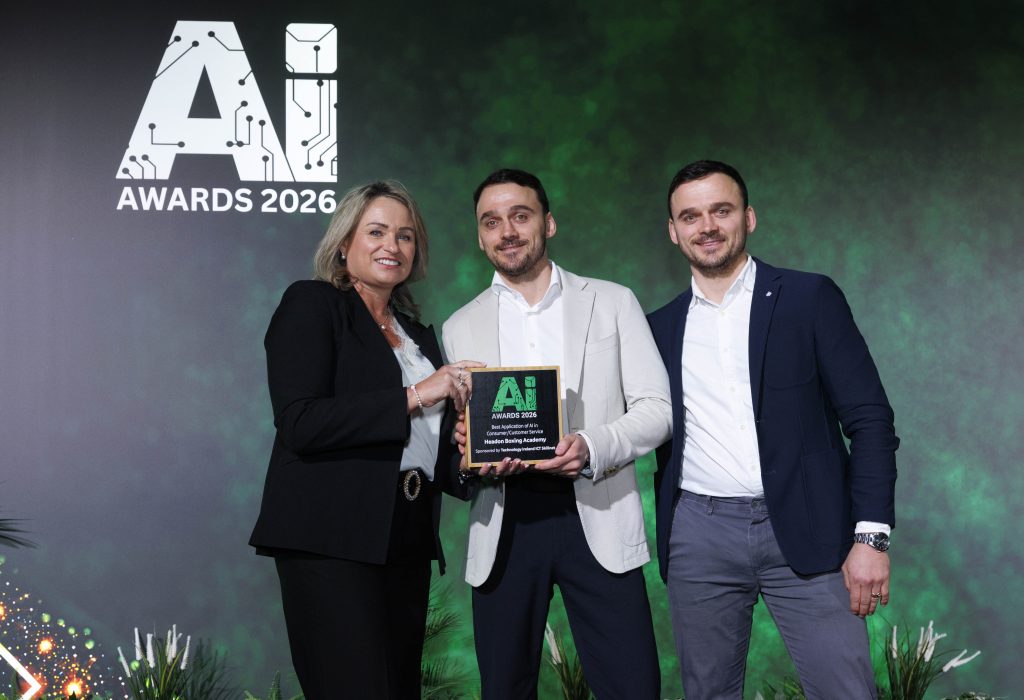
Unum won Best Application of AI in a Large Enterprise.
Unum won Best Application of AI in a Large Enterprise for its use of AI agents across insurance processes. The example raises a question for any leadership team. If AI speeds up one step, what happens to the work before and after it?
Imagine a team that can prepare a case in half the time. If that case still sits in the same queue waiting for review, the employee has saved time and the customer may still wait just as long. I’d measure both. How long did the task take, and how long did the customer wait? Those two numbers can lead to different decisions about what to change next.
Ask your team: If this step gets faster, what improves for the person waiting at the other end?
Three questions for your next leadership meeting
Pick one recurring piece of work and ask the people who do it to walk you through it. Then agree on three things.
- Who benefits, and what should improve for them? Name the people affected and describe the change they should notice.
- Where in the work would AI help? Pick one step. Check what information it needs and agree who will review the result.
- What would convince us to keep going? Measure how the work happens today. Decide what you’ll look for in a trial, such as faster turnaround, fewer errors or less rework.
If you can answer those questions on one page, you have enough to run a small trial and see what changes.
Thank you to Microsoft, Principal Sponsor of the 2026 AI Awards, and to the teams who shared their work with us. View the 2026 AI Awards photo gallery.
Further reading
AI Awards 2026 Finalists: 5 Lessons for Business Leaders
Planning a leadership event or conference? In my AI keynotes, I use real examples from the AI Awards to help audiences see where AI can make a difference and decide what to try first. View my AI keynote topics and enquire about your event.
Share This Story, Choose Your Platform!
Planning an event or leadership offsite?
Mark Kelly delivers evidence-based AI keynotes and hands-on AI leadership workshops for boards, executive teams and conferences across Ireland and Europe.